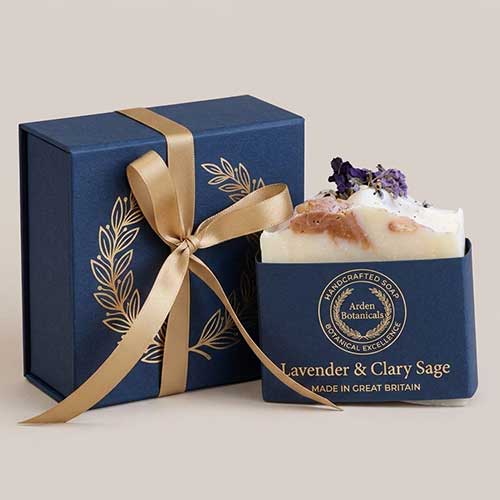
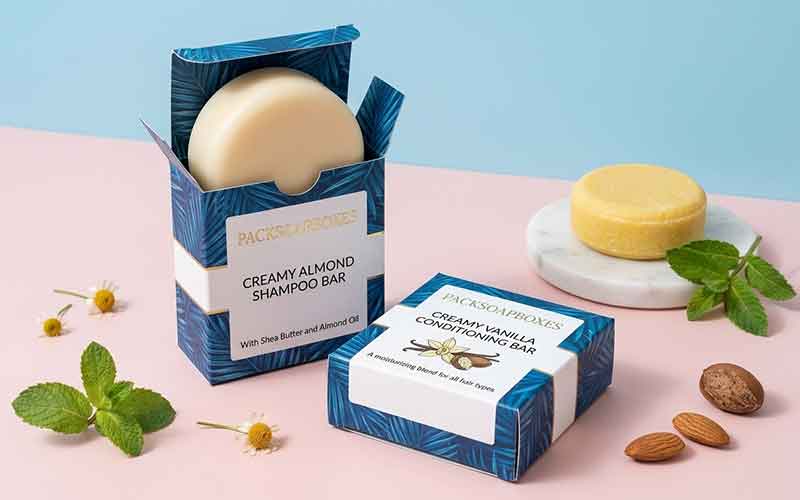
Luxury soap boxes are premium packaging designed to protect soap while increasing perceived value through high-quality materials, custom printing, and premium finishes. They help brands build trust, improve recognition, and support premium pricing.
Customers form an opinion before they even touch the actual product.
I see this happen every single day. When someone picks up a bar of soap, the box speaks first. It tells shoppers whether a brand is worth their hard-earned money. And in the US market, that judgment happens fast — faster than most business owners realize.
That quick moment on a store shelf can either win a loyal customer or lose them forever.
What Makes Soap Packaging Feel “Luxury”?
Here is something most people get wrong. Expensive-looking boxes do not always cost a fortune to make.
Luxury simply means making smart choices. The right weight of cardstock. A finish that feels smooth under the fingertips. A clean layout that does not fight for attention. Small decisions that add up to something that feels premium without screaming it. Choosing professionally designed custom soap boxes helps brands create a premium appearance while protecting their products.
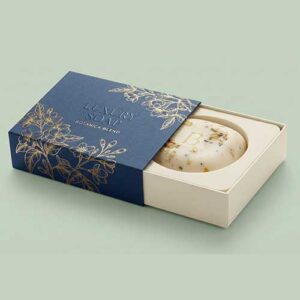
A few specific details make the biggest difference:
- Thick, strong cardstock: Flimsy boxes make soap look cheap before anyone reads a single word.
- Soft-touch matte coating: This finish adds a tactile memory. Customers remember how it felt in their hand.
- Shiny foil or raised letters: Metallic details catch light in a way that feels intentional and rich.
- Clean, simple design: A neat layout lets the product shine. Clutter kills confidence.
- Clear window cut-outs: Showing the soap inside signals that the brand is proud of what is inside.
When a box feels solid and well-made, customers assume the soap matches that same standard. That assumption drives purchase decisions more than most brands ever track.
How Colors Shape Luxury Perception in Soap Packaging
Color is one of the most powerful tools in packaging design. It is also one of the most misused.
Shoppers react to color before they read anything. Before the brand name registers. Before the price tag. Color lands first.
Important Note: The associations below reflect US and Western market research. Color meanings shift significantly across cultures and regions. Always test your color choices with your actual target audience before printing at scale.
So how do successful premium brands use color deliberately?
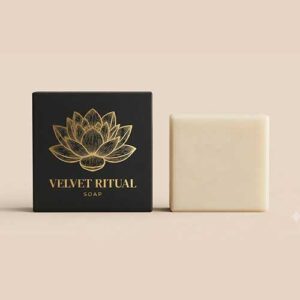
- Black signals boldness and exclusivity. It works well for gift soaps and men’s grooming lines.
- White communicates purity and clinical precision. Strong for natural and skincare-focused products.
- Gold or Champagne carries a feeling of celebration and wealth. Perfect for holiday collections.
- Deep Navy Blue builds calm and trust. A strong choice for therapeutic or relaxation lines.
- Earthy Green connects the product to nature and safety. Best for herbal and botanical soaps.
- Dusty Pink feels soft and refined. Well-suited for floral and spa collections.
The brands winning shelf space in US retail stores are not picking colors because they look nice. They are picking colors that do a specific emotional job.
The Psychology Behind Premium Packaging
People rarely make purchases through pure logic. Feelings come first. Logic arrives later, usually to justify what the feelings already decided.
A beautifully made box creates excitement and curiosity before the soap is ever touched. That emotional response is not accidental — it is engineered through design choices.
Research by Orth and Malkewitz (2008), published in the Journal of Marketing (Vol. 72, Issue 3, pages 64–81), confirms that holistic package design directly shapes how consumers perceive brand quality and make purchasing decisions. A separate study by Silayoi and Speece (2004) in the European Journal of Marketing found that packaging elements significantly influence buying behavior, particularly in everyday product categories like soap.
What this means practically: when the outer box signals care and quality, buyers assume that same care went into making the soap. That trust is hard to build through advertising. Good packaging builds it in seconds.
And trust, once earned, brings people back. Repeat customers who love a brand tell others. That word-of-mouth is the most cost-effective marketing a soap business can generate.
Luxury Finishes — Which One Actually Fits Your Brand?
Choosing the wrong finish is one of the most common and most avoidable mistakes in soap packaging. Each finish sends a different signal to a different type of buyer.
Here is a practical breakdown:
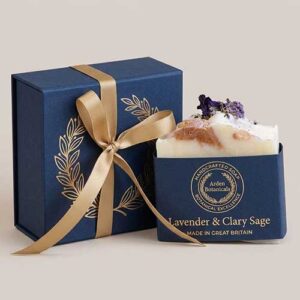
- Matte Lamination: No shine. Flat and smooth. Strong fit for natural, organic, and minimalist brands.
- Gloss Lamination: Bright and reflective. Works well for bold colors and products aimed at younger buyers.
- Soft-Touch Lamination: Feels like velvet. Best suited for premium spa lines and gift collections.
- Gold or Silver Foil: Adds metallic shine to specific design elements. Strong for luxury gifting.
- Spot UV: Applies a glossy coat to one targeted area, like a logo or pattern. Looks sharp and modern.
- Embossing: Raises the paper to create texture that customers can feel. Memorable and tactile.
A natural soap brand selling to eco-conscious US buyers will almost always perform better with matte lamination than high-gloss. The finish has to match the brand story. When it does not, buyers notice — even if they cannot explain why something feels off.
How Luxury Packaging Directly Impacts Sales
There is a direct line between packaging quality and revenue. Brands that invest in premium soap packaging consistently see results in three specific areas.
Price acceptance goes up. When a box looks and feels valuable, customers adjust their price expectations before they even check the tag. The packaging sets the number in their head. A beautiful box makes a higher price feel reasonable.
Return rates go down. When packaging honestly represents the product inside, customers are not surprised when they open it. Disappointment drives returns. Honest, high-quality presentation builds confidence and reduces them.
Retail placement improves. Buyers at premium US retailers look at the box long before they evaluate the soap inside. A well-designed package opens doors to shelf space that plain packaging simply cannot reach. Once a product is on that shelf, the box keeps selling it every minute of every day.
Custom Soap Boxes — Building a Brand People Recognize
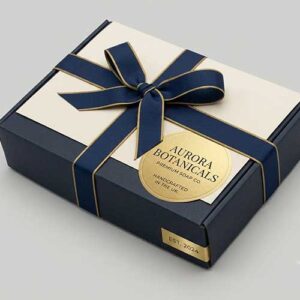
There is a difference between packaging that holds soap and packaging that builds a brand.
Custom Soap Boxes create a consistent visual identity across every product in a line. When a shopper sees a specific box shape or a familiar brand color, they recognize the company without reading the name. That kind of recognition takes time to build — but it pays back every time someone chooses a familiar box over an unknown one.
Custom sizing also solves a problem that generic boxes create. When soap moves around inside an oversized box, it can break during shipping. A box designed for the exact dimensions of the product protects it and presents it well at the same time. If you are planning custom packaging for your brand, our Complete Guide to Custom Soap Boxes covers everything from box dimensions and materials to printing options and finishing techniques.
In a crowded US market where buyers see dozens of competing soaps at once, that consistency and attention to detail becomes a real competitive edge.
Ordering Soap Boxes Wholesale — Getting Luxury Pricing Right
A lot of small business owners assume premium packaging is out of reach. That assumption is worth questioning.
Ordering soap boxes wholesale brings the per-unit cost down significantly — but the savings only hold if the supplier is reliable. Bulk orders from the wrong manufacturer can actually increase defect rates, not reduce them. Inconsistent color, weak structure, and poor finish quality across a large order costs more to fix than the savings were worth.
The smarter approach: always request physical printed samples before committing to a bulk order. A trustworthy supplier will match color, structure, and finish consistently across every unit. If a supplier hesitates to provide samples, that hesitation is worth paying attention to.
Bulk purchasing done right also provides:
- Consistent brand presentation across every product unit
- Simplified annual packaging budgets
- Stock ready ahead of peak retail seasons like the holidays
The fastest-growing soap brands in the US are not always the ones with the biggest packaging budgets. They are the ones who plan ahead and choose suppliers carefully.
Kraft Soap Boxes — When Sustainability Becomes the Luxury Signal
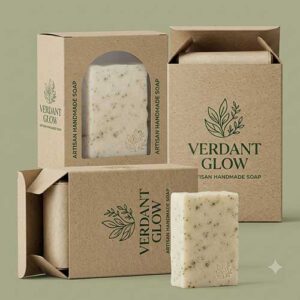
Luxury has changed. For a growing segment of US buyers, caring for the environment is the luxury signal — more meaningful than gold foil or high-gloss finish.
Kraft Soap Boxes made from recycled materials communicate something specific: this brand thinks beyond profit. That message resonates with a buyer segment that is growing faster than most traditional luxury categories.
According to McKinsey & Company’s February 2023 report, “Consumers care about sustainability—and back it up with their wallets,” products making ESG-related sustainability claims grew 28% cumulatively over a five-year period, compared to just 20% growth for products without such claims (McKinsey, 2023). For US soap brands, this data confirms that sustainable kraft packaging is no longer optional — it is a measurable growth strategy.
For US soap brands, this means eco-friendly packaging is no longer just a values decision. It is a market strategy.
A kraft box with clean typography and a well-placed stamp logo looks professional and intentional. Natural food stores and wellness retailers across the country actively seek out soap makers who take sustainable sourcing seriously. If you are unsure whether kraft or cardboard is the better choice, see our guide on Kraft vs Cardboard Soap Boxes. It compares both materials based on strength, sustainability, printing quality, and cost. The right kraft packaging attracts eco-conscious buyers and strengthens long-term retail relationships.
The Unboxing Experience — Packaging’s Second Job
In 2026, packaging has a job beyond the store shelf. It has to perform on camera.
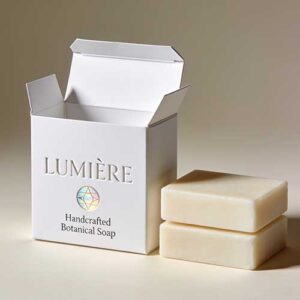
US consumers regularly share unboxing videos on Instagram, TikTok, and YouTube. When a luxury soap box opens beautifully on camera, that moment becomes free marketing — reaching audiences the brand never paid to reach.
What makes an unboxing feel worth sharing?.
- A box that opens cleanly without tearing or resistance
- Tissue paper inside that creates a sense of reveal
- A scent that escapes the moment the lid lifts
- The brand logo positioned so it faces the camera immediately
- A small card that tells the brand story in a few genuine lines
None of these additions are expensive. All of them are remembered. And a customer who films and shares an unboxing is not just a buyer — they are a distributor.
10 Packaging Mistakes That Cost Soap Brands Real Money
Most packaging mistakes are fixable. The problem is that many brands do not catch them until they have already lost customers.
Mistake 1: Buying cheap boxes.
Cheap materials signal a cheap product. That impression forms in seconds and is almost impossible to reverse at the point of purchase.
Mistake 2: Inconsistent brand look across products.
When a lavender soap box looks completely unrelated to a charcoal soap box from the same brand, shoppers do not connect them. Consistency builds recognition. Inconsistency wastes every impression the brand earns.
Mistake 3: Thin, weak materials.
A beautiful design printed on flimsy cardstock defeats itself. If the box dents easily, buyers assume the soap inside was not protected either.
Mistake 4: Overloading the design.
More images, more colors, and more text do not communicate more value. They communicate uncertainty. Clean space is a design choice — and a confident one.
Mistake 5: Mismatched finish and brand identity.
High-gloss lamination on an earthy natural soap creates confusion. The finish has to reinforce what the brand is, not contradict it.
Mistake 6: Wrong box dimensions.
A soap that moves around inside an oversized box arrives damaged. Damaged products generate returns, complaints, and lost trust.
Mistake 7: Ignoring moisture — but not in the way most brands think.
Soap carries natural oils and water content. Standard paper boxes exposed to moisture will warp and look damaged on retail shelves. Moisture-resistant coatings protect against this for commercially manufactured soaps.
However, handmade cold-process soap makers need to approach this differently. Freshly made natural soap requires airflow to complete its curing process. A fully sealed, moisture-proof box can trap humidity and damage the soap before it ever reaches the customer. For handmade and artisan soaps, use packaging with small ventilation cuts or breathable kraft paper. For commercially produced soaps, moisture-resistant coatings are the right call.
Mistake 8: Poor font choices.
Typography carries as much brand weight as color. A mismatched or cluttered font combination looks unprofessional regardless of how strong the rest of the design is.
Mistake 9: Looking identical to competitors.
Walking down a US soap aisle often reveals ten brands that look like the same brand. Standing out requires actually studying the competition and designing against it — not alongside it.
Mistake 10: Never revisiting the packaging design.
A box that worked three years ago may not work today. Brands that treat packaging as a one-time decision slowly lose ground to brands that evolve. An annual design review is a reasonable minimum.
Important Legal Note for US Soap Brands
Before finalizing any soap box design, US businesses need to understand the federal rules that apply to packaging claims.
- FDA Labeling Requirements: If your soap makes cosmetic or skin-care claims — words like moisturizing, healing, or anti-aging — the FDA requires specific ingredient disclosure under the Fair Packaging and Labeling Act. Claims that cross into drug territory trigger additional requirements.
- FTC Honest Advertising Guidelines: Terms like natural, organic, or eco-friendly must be accurate and supportable. The FTC has issued fines for vague or misleading environmental claims. If the label says it, the product and process need to back it up.
- USDA Organic Certification: The USDA Organic seal is a regulated designation. Using it without official certification is a federal violation, not just a branding mistake.
These rules are not designed to make packaging harder. They exist to protect both consumers and honest brands. A packaging compliance consultant can review a design before it goes to print and prevent problems that are far more expensive to fix after the fact.
Frequently Asked Questions
Do luxury soap boxes actually increase sales?
Yes — and in measurable ways. Premium packaging supports higher price points, reduces returns, and improves retail placement. The box earns its cost many times over when it is designed well.
Which material works best for luxury soap packaging?
Thick, high-quality cardstock is the standard choice. It protects the product, feels substantial in hand, and holds finishes well. The weight of the board matters as much as the printing on top of it.
Can kraft soap boxes look genuinely luxurious?
Absolutely. Kraft signals sustainability, and for a large segment of US buyers, that is a premium signal. Paired with clean typography and a sharp logo, kraft packaging creates an eco-luxury aesthetic that performs well in natural retail and direct-to-consumer channels.
What finish is right for premium soap packaging?
It depends on the brand. Matte lamination suits natural and organic lines. Soft-touch or foil finishes work well for spa and gift collections. The finish should reinforce what the brand already communicates — not compete with it.
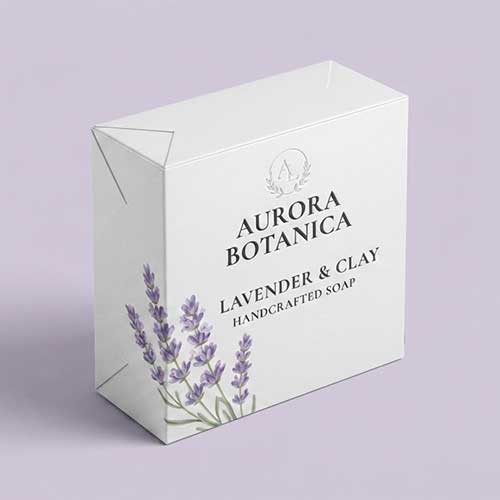
Custom Soap Boxes
Lear more.....
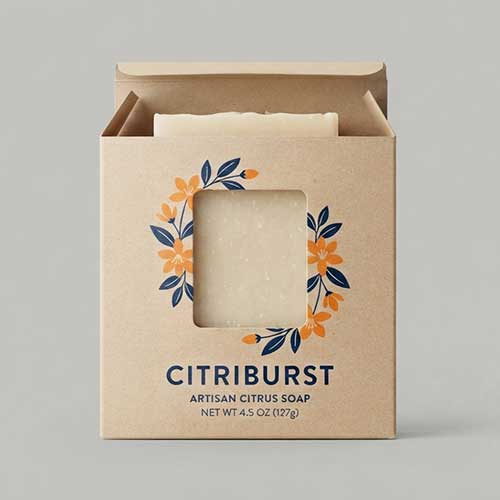
Kraft Soap Boxes
Lear more.....
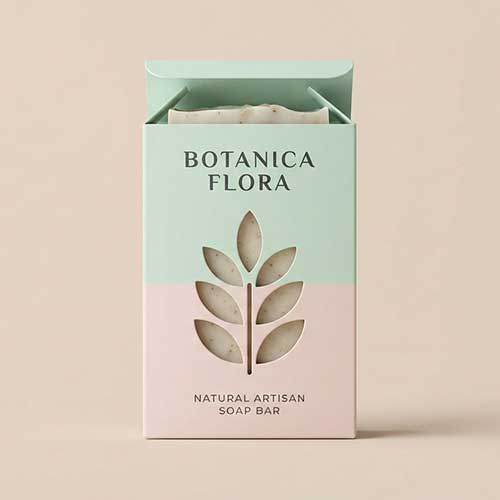
Window Soap Boxes
Lear more.....
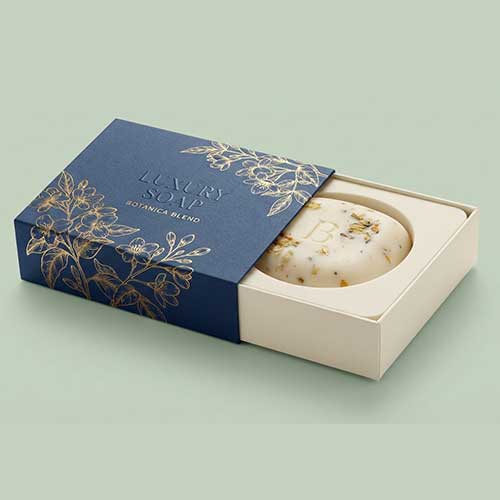
Luxury Soap Boxes
Lear more.....
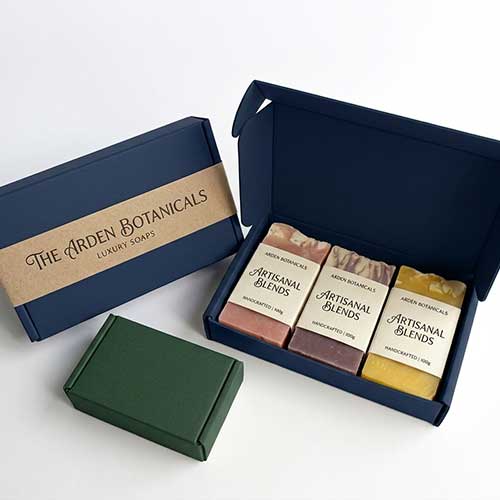
Soap Boxes Wholesale
Lear more.....
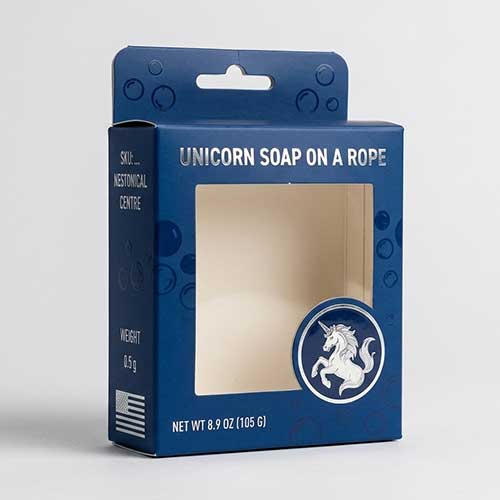
Soap Packaging Boxes
Lear more.....
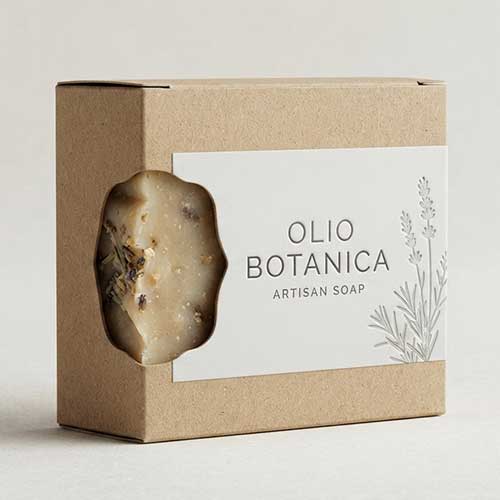
Handmade Soap Boxes
Lear more.....
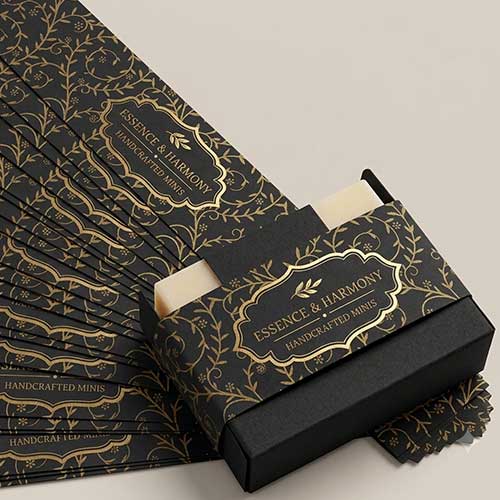
Soap Wrapping Paper
Lear more.....
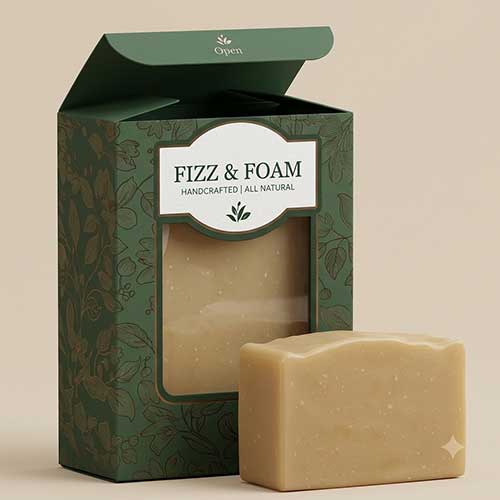
Square Soap Boxes
Lear more.....
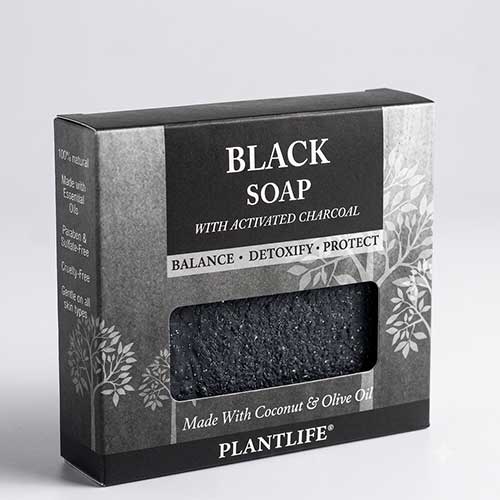
Black Soap Boxes
Lear more.....