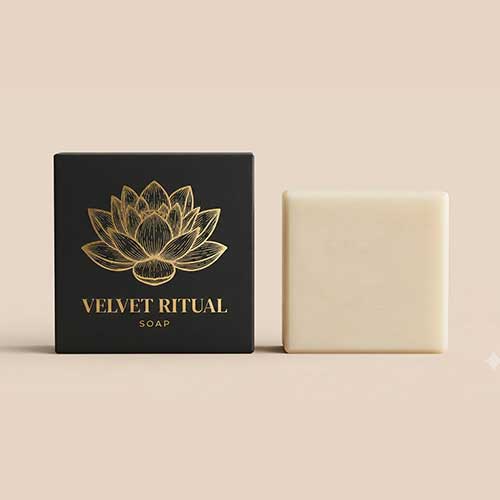
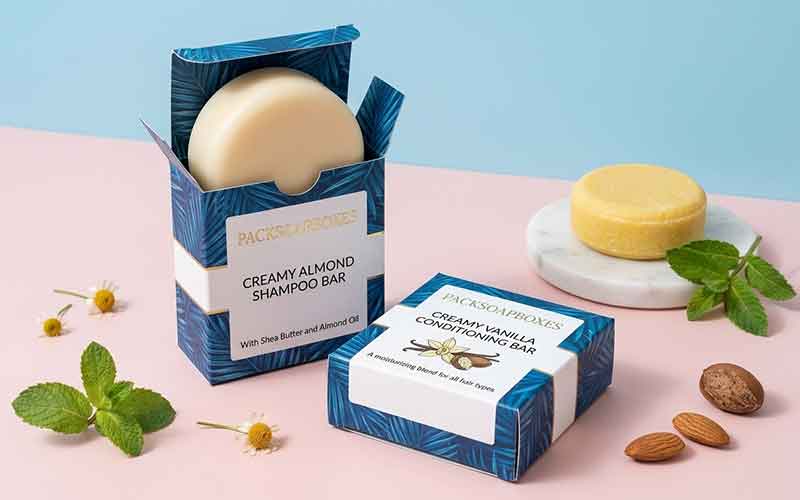
Custom soap boxes do a lot more than just hold your soap. They tell your brand story, protect your handmade bars, and convince customers to choose your soap over all the others sitting on the shelf.
I’ve worked with hundreds of soap makers over the years. Many come to me after wasting money on packaging that looked pretty but didn’t sell. This guide shares what actually works in the real world. You’ll learn how to choose the right materials, printing methods, and designs that fit both your budget and your brand.
Whether you’re making your very first batch or you’re ready to upgrade your current packaging, these practical tips will help you create boxes that protect your soap and actually help you sell more.
Why Packaging Matters for Soap Businesses
Customers see your box before they ever smell or touch the soap. That first impression decides everything.
When your packaging looks professional, people instantly trust your product. It shows you care about quality. But if the box looks cheap or poorly made, even the best handmade soap appears low-quality.
Good boxes also protect the soap during shipping and storage. I’ve seen too many bars arrive melted, cracked, or crushed just because the packaging was weak. Strong custom soap boxes save you from refunds and angry customers.
At craft fairs, retail shelves, or online stores, your packaging is your silent salesperson. The brands that stand out are usually the ones with smart, clean, and attractive boxes. People remember them and come back to buy again.
Types of Custom Soap Boxes
Here are the four styles I recommend most to soap makers:
Tuck End Boxes
These are the most popular for a reason. They have flaps that tuck into the top and bottom. No glue, no tape — just fold and done. They look clean and professional, and they stay closed nicely during shipping. Most of my clients prefer the reverse tuck style because it opens smoothly for customers.
Window Soap Boxes
These boxes have a clear window so people can see the actual soap before buying. You can make the window round, oval, or any shape you want. This style works amazingly well for colorful layered soaps or bars with beautiful designs. Customers love seeing what they’re getting.
Sleeve Boxes
A sleeve slides over an inner tray. This two-piece design feels expensive and creates a lovely unboxing experience. I recommend sleeve boxes if you sell luxury soaps or gift sets. They make your product feel special.
Pillow Soap Boxes
These have soft curved sides and look friendly and gift-like. They’re perfect for small guest soaps, samples, or wedding favors. Assembly is quick — you just fold the ends. The unusual shape makes them stand out.
Choosing the Right Material
Don’t overthink this part. Pick based on your brand personality and how you ship your soaps.
Cardboard Stock
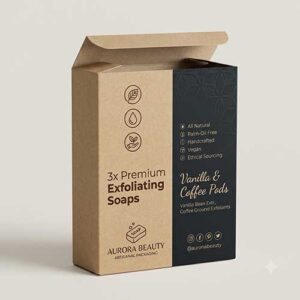
Cardboard Stock is the go-to for most soap makers. 14pt to 18pt thickness usually gives the best balance between strength and cost. It prints beautifully and works with almost every finish.
Kraft Paper
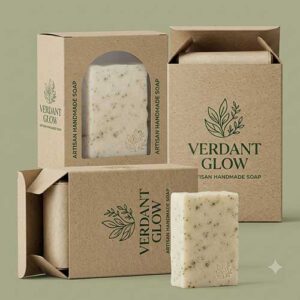
Kraft Paper has that natural brown look that screams “organic” and “handmade.” If you focus on natural or chemical-free soaps, kraft is perfect. It looks authentic with simple stamps or minimal printing.
Corrugated Board
Corrugated Board adds extra protection with its wavy inner layer. Use this when you ship a lot of orders or send wholesale packages. Yes, it costs more, but you’ll lose far fewer bars to damage.
Design Elements That Sell
Colors, fonts, and layout matter more than most people realize.
Color Psychology
Certain colors create feelings. Lavender and purple suggest relaxation. Green says “natural ingredients.” Yellow and orange feel happy and energetic. Choose colors that match what your soap actually does.
Typography Choices
Your font choice also sends a message. Flowing script fonts feel artisanal. Clean sans-serif fonts look modern. Traditional serif fonts feel trustworthy. Just make sure people can read your product name from three feet away.
Layout Balance
And please — don’t fill every inch of the box. Leave some empty space. That breathing room makes your design look more expensive and helps the important information stand out.
Printing Methods Explained
You basically have three realistic options:
Digital Printing
Digital Printing works best when you’re starting out or testing designs. You can order as few as 50 boxes with no huge setup costs. It’s fast and the quality is good enough for most soap businesses.
Offset Printing
Offset Printing gives the sharpest, most professional results. The colors are accurate and crisp. But it only makes sense once you’re ordering 500+ boxes because the setup cost is higher.
Screen Printing
Screen Printing is great for simple designs with one or two colors. The ink sits thick on the box and really stands out. Many makers use this for bold, earthy designs on kraft boxes.
Finishing Options to Consider
These small touches make a big difference in how premium your boxes feel.
Matte Lamination
Matte lamination gives a smooth, sophisticated, non-shiny look. It hides fingerprints well and feels modern. Most of my luxury and minimalist clients choose matte.
Gloss Lamination
Gloss lamination makes colors pop and catches light on the shelf. It looks energetic but does show fingerprints more easily.
Spot UV
Spot UV adds a shiny raised coating on just your logo or product name. It creates beautiful contrast and makes the box feel special.
Foil Stamping
Foil stamping (gold, silver, rose gold) instantly adds luxury. Use it on your logo or key words — not the whole box. It catches light beautifully.
Size and Dimension Guidelines
Always measure your soap first. Add ⅛ inch to each side so the bar fits comfortably without moving around too much.
Common sizes I see:
- Regular bath bar: 3.5″ x 2.5″ x 1″
- Large artisan bar: 4″ x 3″ x 1.25″
- Guest soap: 2″ x 1.5″ x 0.75″
Test with your actual soap before placing a big order. A box that’s too tight or too loose will cause you headaches later.
Branding Your Soap Boxes
Put your logo clearly on the front. Add a smaller version on the top or side so it’s still visible when boxes are stacked.
Be honest about your ingredients. Customers want to know what’s in the soap. Highlight your star ingredients like shea butter, essential oils, or organic materials. Put the full list on the back.
You can also add one short line about your story — something like “Hand-poured in small batches using farm-fresh ingredients.” Keep it short. People don’t read long paragraphs on packaging.
Wholesale vs Custom Orders
If you’re just starting, wholesale soap boxes are a smart choice. They’re cheaper, faster, and available in standard sizes. Good enough while you test the market.
Once your soap line is selling well, move to fully custom boxes. You get the exact size, colors, and finishes you want. In my experience, the jump to custom packaging almost always increases perceived value and sales.
Eco-Friendly Packaging Options
Most customers now care about sustainability.
Cardboard and kraft boxes are recyclable. Use plant-based windows instead of plastic when possible. Soy-based inks are also much better for the environment than traditional inks.
Simple designs with less ink are not only cheaper but also more eco-friendly. Often they look more premium too.
Cost Factors to Understand
The more boxes you order, the cheaper each one becomes. Jumping from 100 to 500 boxes can cut your cost per box by nearly half.
Every fancy feature (custom windows, foil, special shapes) adds cost. My advice: Start clean and simple. Add expensive finishes only on your best-selling soaps.
Working with Your Packaging Supplier
Always ask for physical samples. Don’t rely on photos. Hold the box in your hands. Put your real soap inside. Test it.
Check every proof carefully. Once you approve, changes become expensive. Plan your order 3–4 weeks in advance so you never run out completely.
Common Packaging Mistakes to Avoid
- Trying to put too much information on the box (it looks messy)
- Choosing designs that are beautiful but slow to assemble by hand
- Forgetting legal requirements (net weight, ingredients, business info)
Keep it simple. Clear branding beats complicated designs almost every time.
Seasonal and Limited Edition Boxes
Special holiday boxes for Christmas, Valentine’s, or Mother’s Day sell very well. You don’t need to order thousands — 100 to 250 is often enough to test. They give your regular customers a reason to buy again.
Packaging for Different Sales Channels
Retail stores need bold designs that grab attention from a distance. Online stores need boxes that photograph well and create nice unboxing moments. At farmers markets, simpler packaging works because you’re there to talk to customers.
Testing Your Packaging Design
Before spending real money, test your samples at markets. Watch how people actually interact with the boxes. Ask honest friends for feedback. Take photos next to your competitors — you’ll quickly see if yours stands out.
Getting Started with Pack Soap Boxes
At Pack Soap Boxes, we work with soap makers all over the USA. We understand the real challenges of handmade products — protecting them while making them look beautiful and professional.
Whether you need 100 boxes or 10,000, we’ll give you honest recommendations that fit your budget.
Just send us your soap sizes and what you’re trying to achieve. We’ll come back with practical options and clear pricing.
When your packaging is done right, customers notice. They trust you more, buy more, and remember your brand.
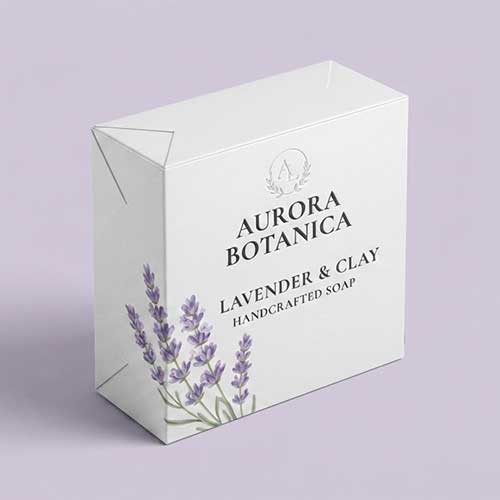
Custom Soap Boxes
Lear more.....
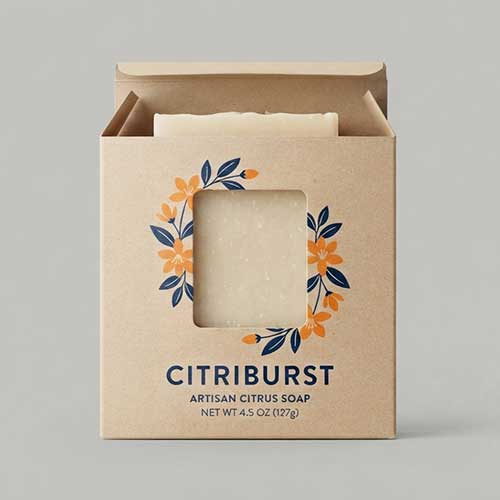
Kraft Soap Boxes
Lear more.....
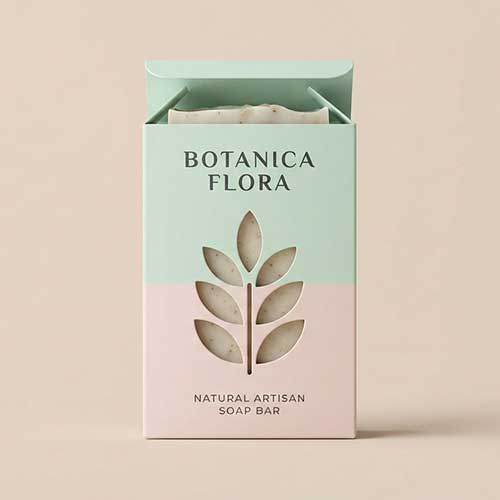
Window Soap Boxes
Lear more.....
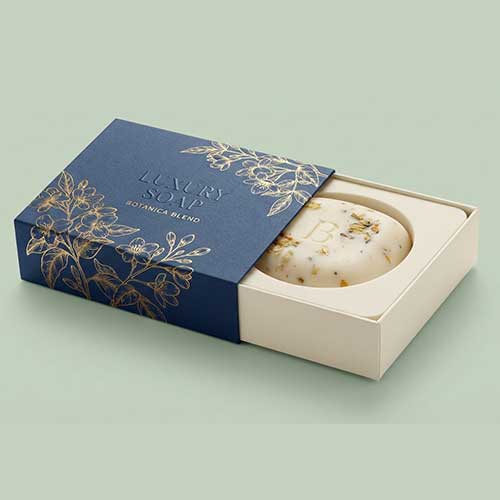
Luxury Soap Boxes
Lear more.....
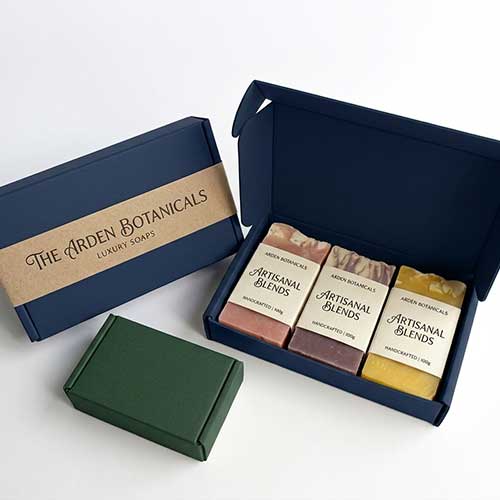
Soap Boxes Wholesale
Lear more.....
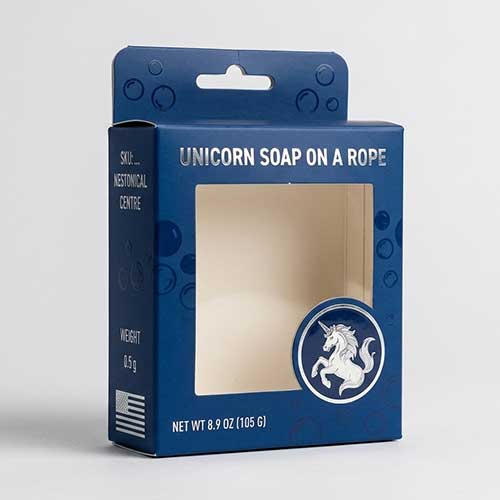
Soap Packaging Boxes
Lear more.....
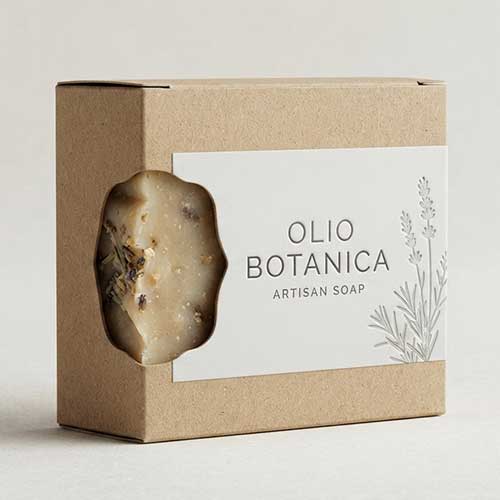
Handmade Soap Boxes
Lear more.....
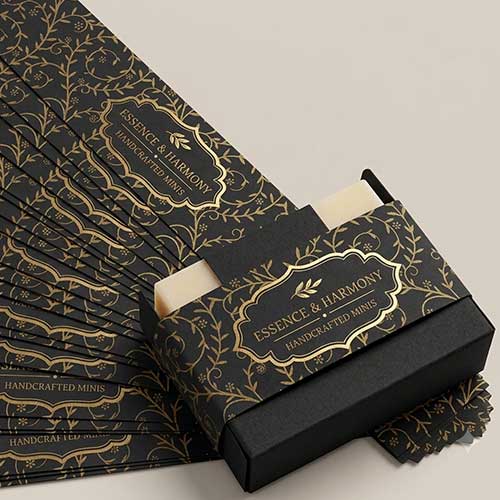
Soap Wrapping Paper
Lear more.....
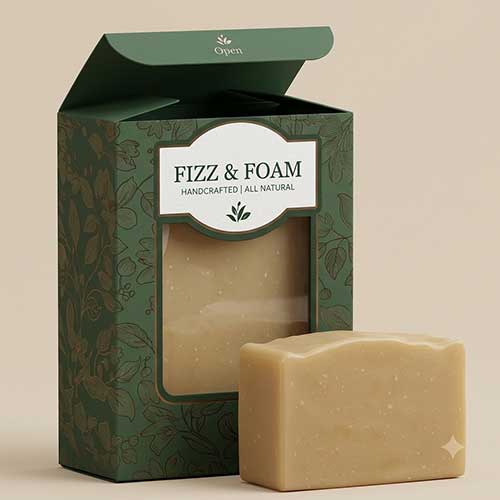
Square Soap Boxes
Lear more.....
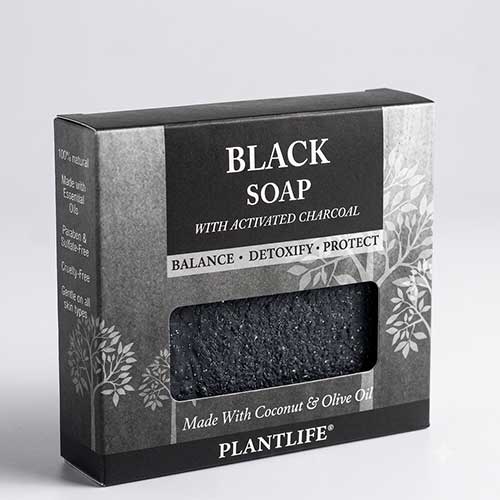
Black Soap Boxes
Lear more.....